
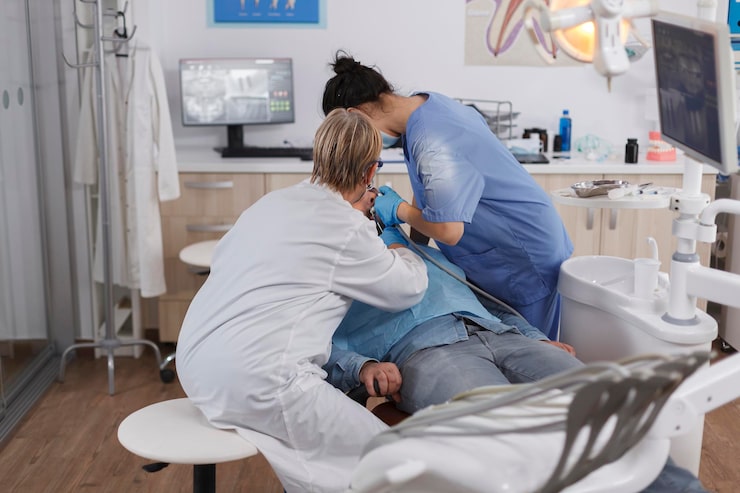
Some dental problems can’t wait for a regular appointment. You need to see a dentist at a dental clinic near you right away when you have a serious tooth emergency. Knowing when to seek emergency care can save your tooth and prevent serious problems. Many people aren’t sure if their dental problem counts as an emergency. This guide will help you understand when you should rush to get professional help.
A dental emergency is a situation when something has happened in your tooth or mouth which requires immediate care. These problems are not the same as normal dental problems, which can be waited for days or weeks. Recognizing the difference can help you decide when to call an emergency dentist immediately.
What Makes a Dental Problem an Emergency?
Certain dental situations need fast treatment. These aren’t things you can handle at home or wait to fix later.
Severe pain is usually a sign of something serious. If your tooth hurts so much that you can’t eat, sleep, or focus on anything else, this is an emergency. Throbbing pain that doesn’t go away with medicine means something needs professional attention quickly.
A knocked-out tooth is definitely an emergency. If you lose a tooth completely because of an accident or fall, get to a dentist within thirty minutes if possible. The faster you go, the better chance your dentist has to save your tooth. Pick up the tooth carefully, hold it by the crown (not the root), rinse it gently with water, and keep it moist. Put it back in your mouth if you can, or put it in a cup of milk to keep it alive.
Teeth that are cracked or broken need emergency care too. If you break a tooth and it hurts, or a piece breaks off, go to the dentist right away. Do not delay, as this might let bacteria in, causing an infection.
Bleeding that won’t stop is serious. If you have bleeding gums that keep going for more than a few minutes, or if you’re bleeding from a tooth socket, you need emergency help. This could mean you have an infection or injury that needs treatment.
Swelling in your mouth or face is a warning sign. If your cheek, jaw, or gum swells up, this often means infection. Infection can spread and become dangerous, so get help fast.
An abscess is a pocket of pus in your mouth. It usually appears as a bump on your gum. This is a bacterial infection that needs emergency treatment. Left alone, it can get worse and spread to other parts of your body.
When to Call an Emergency Dentist in South Edmonton
You should call right away if you’re having any of the situations mentioned above. Don’t wait and hope it gets better. Dental problems usually get worse if you ignore them.
Call your regular dentist first. Many dental offices have emergency appointments available, even outside regular hours. If you can’t reach them, search for emergency dentistry in South Edmonton. Emergency dentists are ready to help when regular offices are closed.
Inform the dentist’s office precisely what is wrong. This assists them in making preparations and choosing how quickly you should be seen. Please tell me about your pain, swelling, and what caused it. Be truthful about the level of pain you are in.
Why Emergency Dentistry Matters
Quick treatment can save your tooth. If you visit the dentist quickly, many teeth can be saved; however, it doesn’t take long for it to get worse. Because dentists know certain problems can’t wait, emergency dentistry near you is available.
Emergency care also stops infection from spreading. An infected tooth can spread bacteria to your jawbone or other parts of your body. This is serious and dangerous. Professional treatment stops this from happening.
What You Can Do While Waiting for Your Appointment
Rinse your mouth with warm salt water. Mix half a teaspoon of salt in eight ounces of warm water. This keeps the area clean and reduces swelling.
Take over-the-counter pain medicine if you can. Follow the directions on the bottle. This helps until you can see a dentist.
Apply a cold compress to the outside of your cheek. Hold ice wrapped in a cloth against your skin for ten to fifteen minutes. This reduces pain and swelling.
Avoid hard, hot, or cold foods. Stick to soft, room-temperature foods that don’t hurt your tooth.
Don’t try to fix the problem yourself. Don’t use super glue, don’t pull on a loose tooth, and don’t try home remedies instead of seeing a dentist.
Acting Fast Protects Your Teeth
Dental emergencies are real and need real solutions. Your tooth is counting on you to get help quickly. The difference between acting fast and waiting can mean saving your tooth or losing it forever.
Professional emergency dentists have the skills, tools, and experience to handle any dental crisis. They work quickly and calmly to relieve your pain and fix the problem. Your health and comfort are their priority.
Get Help Right Away When You Need It
When you’re facing a dental crisis, you need a dentist who understands the urgency and can help you right away. Landmark Dental is ready to provide emergency dentistry for patients in South Edmonton who need immediate care. We have the expertise to handle your crisis calmly and professionally. Our team works quickly to relieve your pain and save your tooth. Don’t suffer through a dental emergency alone. Reach out to Landmark Dental and get the emergency care you deserve. Your teeth will thank you for acting fast.
Frequently Asked Questions
When should I call the dentist?
A: Severe pain, knocked-out teeth, cracked teeth, uncontrolled bleeding, swelling of the face, and tooth abscesses are serious dental emergencies that need to seek professional help as emergencies.
What is the right time to visit an emergency dentist?
A: If you are suffering from severe pain, a knocked-out tooth, heavy bleeding, swelling in the mouth or face, or a cracked tooth that is causing pain, see an emergency dentist immediately.
Can you go to emergency dental for a toothache?
A: Yes, when you have a serious toothache that prevents you from eating, sleeping, or working, you need emergency dental care because it often means infection or permanent damage.
While waiting to see an emergency dentist, what should I do?
A: Rinse with salt water, take pain medicine, apply a cold compress to your cheek, eat soft foods, and avoid trying to fix it yourself at home.