
A tooth that has already had a root canal can develop new symptoms months or years later. This does not automatically mean the original treatment was done incorrectly. Root canal retreatment in Edmonton may be considered when a previously treated tooth does not heal as expected or becomes infected again.
Possible causes include a missed canal, new decay around a restoration, or a crack that allows bacteria to enter. An examination helps determine whether the tooth can still be saved and which clinical treatment options are appropriate.
Why Can Infection Return?
Root canal treatment removes inflamed or infected pulp, then cleans and seals the canals. However, canals can be narrow, curved, or branching, making some areas difficult to treat. Infection may return if a canal was missed, the seal breaks down, or new decay or a crack allows bacteria inside. A delayed or damaged crown or filling can also leave the tooth vulnerable.
Signs That Need Attention
Symptoms may include:
- Pain When Biting: Pressure or chewing causes tenderness.
- Swelling: The gum near the tooth may become puffy or develop a small pimple-like bump.
- Recurring Discomfort: Pain returns after a period of relief.
- A Damaged Restoration: A loose crown, broken filling, or new decay may expose the tooth.
Some infections can be present without obvious pain. An examination and dental imaging, when indicated, help establish what is happening. Seek urgent care for spreading facial swelling, fever with swelling, or difficulty swallowing or breathing.
How Is Retreatment Assessed And Performed?
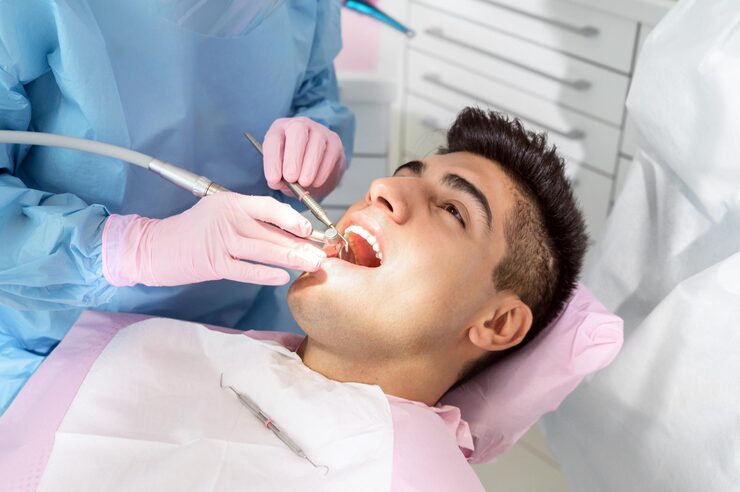
A dentist in Edmonton may examine the teeth and gums, review previous treatment, check restorations, and take X-rays. If the tooth is suitable, retreatment usually involves reopening it, removing existing canal filling material, cleaning and reshaping the canals, and sealing them again. The tooth still needs a suitable final restoration. Complex cases may require referral to an endodontist for specialist care.
When Is Retreatment Needed?
Root canal retreatment near you may be an option when infection persists, symptoms return, or imaging shows a problem around the root. Retreatment is not automatic after every episode of sensitivity; the cause must first be identified. Other options may include endodontic surgery to address infection near the root tip or extraction when the tooth cannot be restored predictably.
Can The Tooth Be Saved?
A dental clinic near you can explain the likely benefits and limitations of each option after assessing tooth structure, cracks, gum support, and infection. Retreatment may preserve the natural tooth when it is restorable. A deep fracture, severe structural damage, or inadequate bone support may make extraction more appropriate. If extraction is recommended, replacement options can be discussed, although immediate replacement is not always necessary.
Does Retreatment Hurt?
Local anaesthesia is used to control discomfort during treatment. The tooth and nearby tissues may feel tender afterward, but worsening pain or swelling should be reported. Follow aftercare instructions and return for the planned permanent filling or crown; a good restoration helps protect the treated tooth.
Make An Informed Decision
Recurring symptoms can be unsettling, but they do not automatically mean the tooth must be removed. A careful assessment can clarify what has changed and whether retreatment offers a realistic way to preserve it.
Book a consultation with Landmark Dental for a timely assessment to help you move forward with a clearer understanding of your options.
FAQs
Why can a tooth become infected again after a root canal?
A canal may have complex anatomy, or bacteria may re-enter through new decay, a crack, or a damaged restoration. An examination helps identify the cause rather than assuming the original treatment was performed incorrectly.
What are the signs of infection after root canal treatment?
Possible signs include pain when biting, gum swelling, a pimple-like bump, or symptoms that return after a period of relief. Some infections cause few symptoms, so a dental assessment may be needed even when pain is mild.
Is root canal retreatment painful?
Local anaesthesia helps control pain during treatment. Some tenderness may follow, depending on the tooth and surrounding tissues. Tell the treating professional about discomfort during the procedure, and seek advice if pain or swelling worsens afterward.
Can root canal retreatment save my tooth?
It can when enough healthy tooth structure and supporting tissue remain. The result depends on the presence of cracks, decay, and canal anatomy, as well as the quality of the final restoration. Extraction may be advised if the tooth cannot be restored reliably.
When should I see a dentist for a previously treated tooth?
Arrange an assessment for new or persistent pain, pain when biting, a damaged restoration, or gum swelling near the tooth. Spreading facial swelling, fever with swelling, or difficulty breathing or swallowing needs urgent or emergency care.