
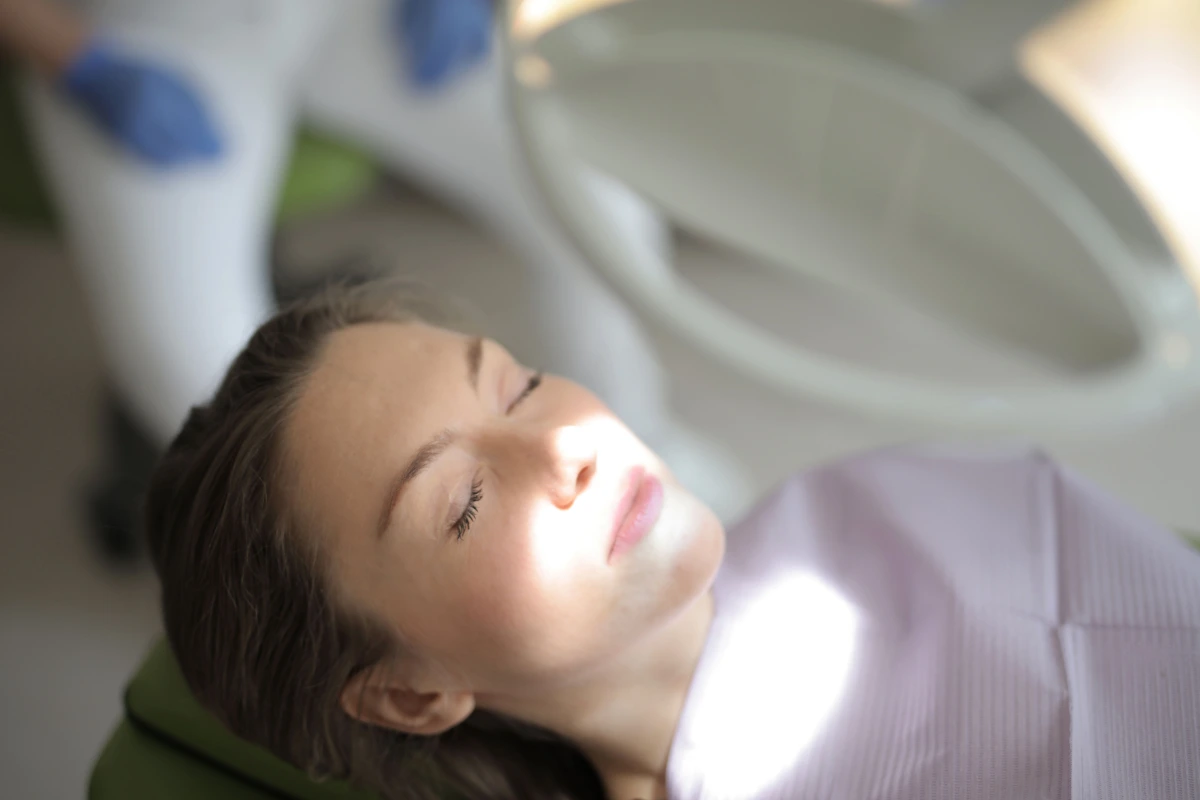
Oral sedation can reduce anxiety during dental treatment, but its effects do not end the moment an appointment is over. The medication, dose, timing and individual response all affect how long drowsiness or reduced alertness may continue. Oral sedation in Edmonton may be considered for people who need help feeling more relaxed during dental procedures. Recovery planning is just as important as the appointment itself: you may need an escort, time to rest, and restrictions on driving or other activities. Understanding the expected effects and following the dentist’s instructions can help you recover safely for the remainder of the day.
What Affects How Long Oral Sedation Lasts?
The duration depends on the specific medication, dose and time it is taken. Age, general health, liver function, other medicines, alcohol or sedating substances and individual metabolism can also influence how quickly the body processes it.
A dose taken before an appointment may affect you well after the dental work has finished. The medicine may also interact with prescription drugs, over-the-counter products, or supplements, so an accurate medication list is important.
There is no single answer to how long oral sedation lasts in Edmonton. The dentist must provide instructions based on the medicine and protocol selected for your situation. Do not use another person’s experience as a guide for your own recovery. The same medicine can affect people differently, even when the planned dose is similar.
What You May Feel After Treatment
Possible short-term effects after treatment include:
- Drowsiness: You may feel sleepy or less alert.
- Reduced Coordination: Balance and reaction time can be affected.
- Mental Fog: Concentration or memory may feel temporarily different.
- Dry Mouth: The mouth may feel less moist than usual.
- Headache or Light-Headedness: Some people notice mild symptoms as the medicine wears off.
The absence of these effects does not prove that your judgment and coordination have fully returned. Follow the written instructions rather than relying only on how you feel. Some people also experience temporary memory gaps around the time of the appointment, depending on the sedative used.
Safety Checks Before Oral Sedation
A dentist in Edmonton will review your medical history, current medicines, allergies and relevant health conditions before sedation is prescribed. Review the plan before the appointment so there is time to clarify transport arrangements, supervision and restrictions.
Do not adjust the dose or timing yourself. Tell the dentist about alcohol, recreational substances, sleep medicines or other sedating drugs, as these can interact with sedatives.
The discussion should include breathing problems, sleep apnea, pregnancy, and any past reactions to sedation, when relevant. The dentist may also decide that another anxiety-management approach is safer for your circumstances.
Do not stop regular prescriptions unless the dentist or prescribing clinician tells you to. Have an accurate list of medicines and note when each was last taken. Include over-the-counter products and supplements, since these can also affect sedation or interact with prescribed medication.
Before arranging oral sedation near you, clarify whether an escort or responsible adult is required. The dentist should give clear instructions about transport, supervision, food and drink, and when normal activities can resume. Follow the specific directions for your treatment rather than assuming every oral sedative has the same restrictions.
Aftercare: What To Do And What To Avoid
After sedation, follow the written plan provided by the dentist. Depending on the medicine and protocol, you may need someone to accompany you home and remain available while you recover.
- Rest: Avoid planning demanding work or errands after the appointment.
- Do not drive, cycle in traffic, or operate machinery until the dentist’s instructions say it is safe.
- Avoid alcohol: Do not combine alcohol with sedating medication.
- Avoid extra sedatives: Do not take sleep aids, anxiety medication or other sedating products unless specifically approved.
- Follow food and drink instructions: Resume eating and drinking according to the written directions and any treatment-related restrictions.
- Have support when directed: A responsible adult may need to stay with you or help with daily activities.
Recovery instructions should always be based on the actual medication and your health history. A dental clinic near you can clarify any restrictions or advise you on what to do if you notice an unexpected reaction. Breathing difficulty, inability to wake or another severe reaction requires emergency medical help.
Return To Normal Activities Carefully
Do not set your own return-to-work or driving time based on a general online estimate. The dentist’s instructions take priority. Feeling more alert does not always mean that reaction time, memory, and judgment are back to normal; plan to postpone important decisions, childcare responsibilities, or tasks requiring coordination until the restrictions have ended.
Prepare For A Safe Recovery
Feeling nervous about dental treatment is understandable, and discussing your concerns beforehand can help you feel more prepared. Contact Landmark Dental to schedule a consultation, review your treatment needs, and learn whether oral sedation may be suitable for your situation. The dental team can explain what to expect before, during, and after your visit so you can make an informed decision and plan for a comfortable recovery.
Frequently Asked Questions
How many hours does oral sedation usually last after a dental procedure?
The effect varies with the medication, dose, timing and individual response. Drowsiness or reduced coordination may continue after the appointment. Follow the instructions provided for your specific medicine rather than relying on a general number of hours or another person’s recovery experience.
Can I drive home after receiving oral sedation?
You should not assume that driving is safe after oral sedation. Many protocols require an escort and restrict driving for a period determined by the dentist and medication. Arrange transportation in advance and follow the written discharge instructions even when you feel alert.
How long should I rest after oral sedation?
Plan to rest for the period specified by the dentist. Some people need supervision or help with routine activities until the medicine’s effects have sufficiently worn off. Avoid work, exercise or complex tasks until you have been cleared to resume them.
What should I eat and drink after oral sedation?
Follow the dentist’s directions, as instructions may depend on the medication and dental procedure. Wait until you are alert enough to swallow safely and any local numbness has worn off before eating. Avoid alcohol and do not combine sedatives with unapproved substances.
When can I return to work or normal activities after oral sedation?
The timing depends on the medication and your recovery. Do not drive, operate machinery or make important decisions until the dentist confirms it is safe. Arrange a flexible schedule rather than assuming you will be ready immediately after the appointment.